
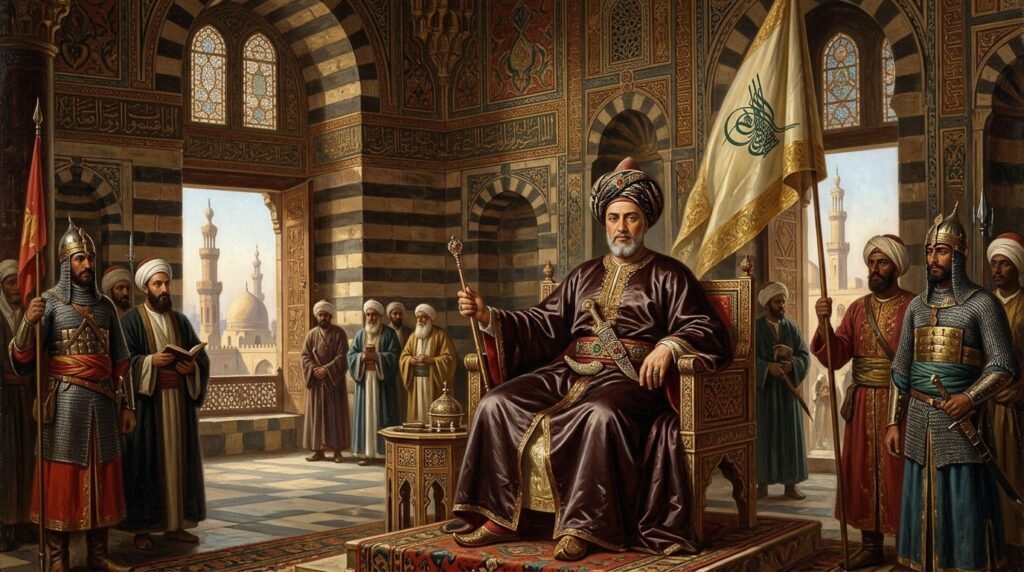
Who was Al-Ashraf Inal?
Al-Ashraf Inal reached the sultanate after a long career through the Mamluk ranks, and his reign continued the tradition of architectural patronage that marked the Circassian sultans. Cairo bears his name on more than one building, and among the best known on the al-Muizz Street route is the Hammam of Sultan Inal.
The bathhouse matters because it draws attention to a kind of everyday architecture that is less famous than mosques and madrasas, but was an essential part of the city's social fabric.
How did they shape Cairo?
Inal's story shows that a sultan's mark on Cairo was not always a dome or a mosque. Bathhouses, markets and public facilities were vital parts of urban life, and some were tied to endowments and the patronage of those in power.
Including such buildings in this guide gives a more balanced picture of historic Cairo, closer to how its people actually lived.
Monuments linked to Al-Ashraf Inal
Where to see their legacy today
On a walk along al-Muizz Street, include the Hammam of Inal between the madrasas and religious complexes; it shows the public-service side of life in the Mamluk city.