Monument In City of the Dead
Complex of Sultan Qaitbay
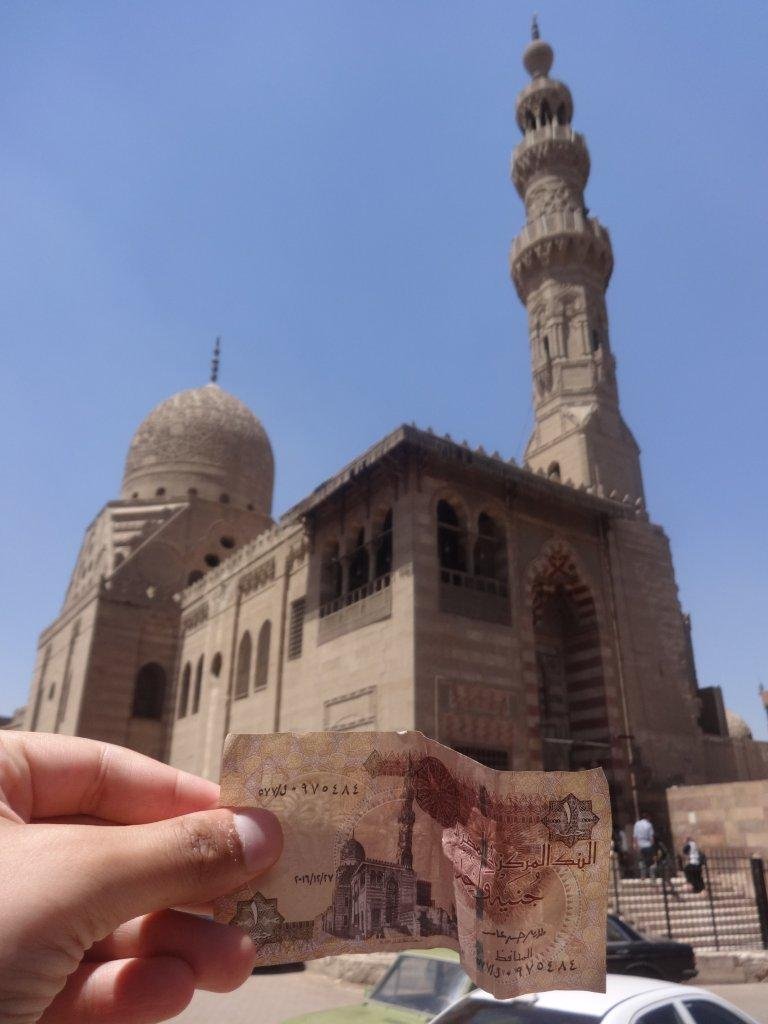
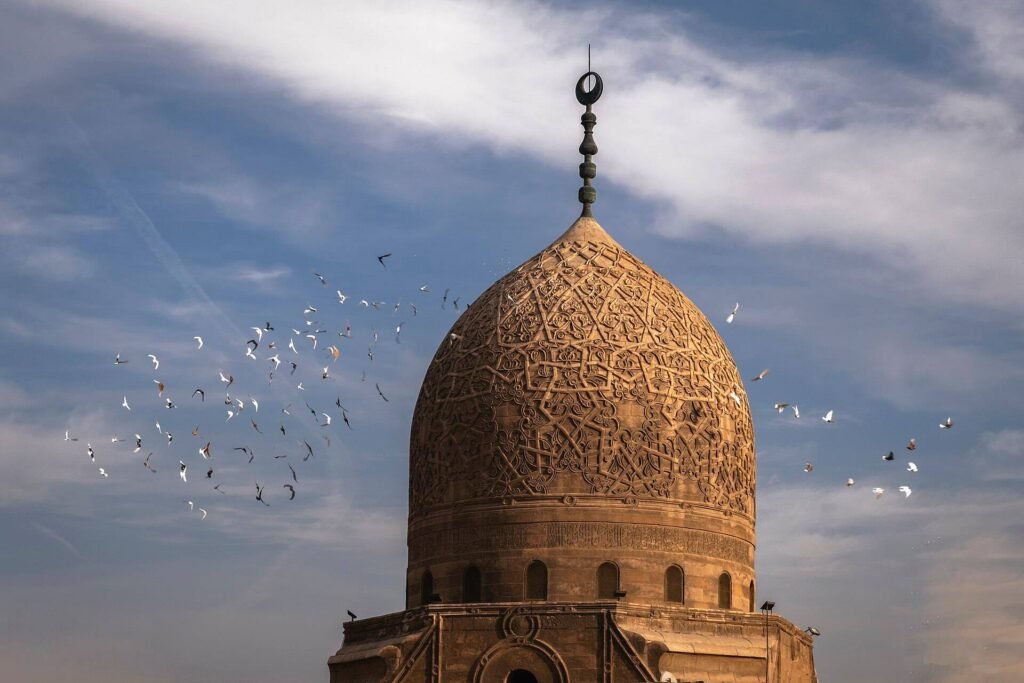
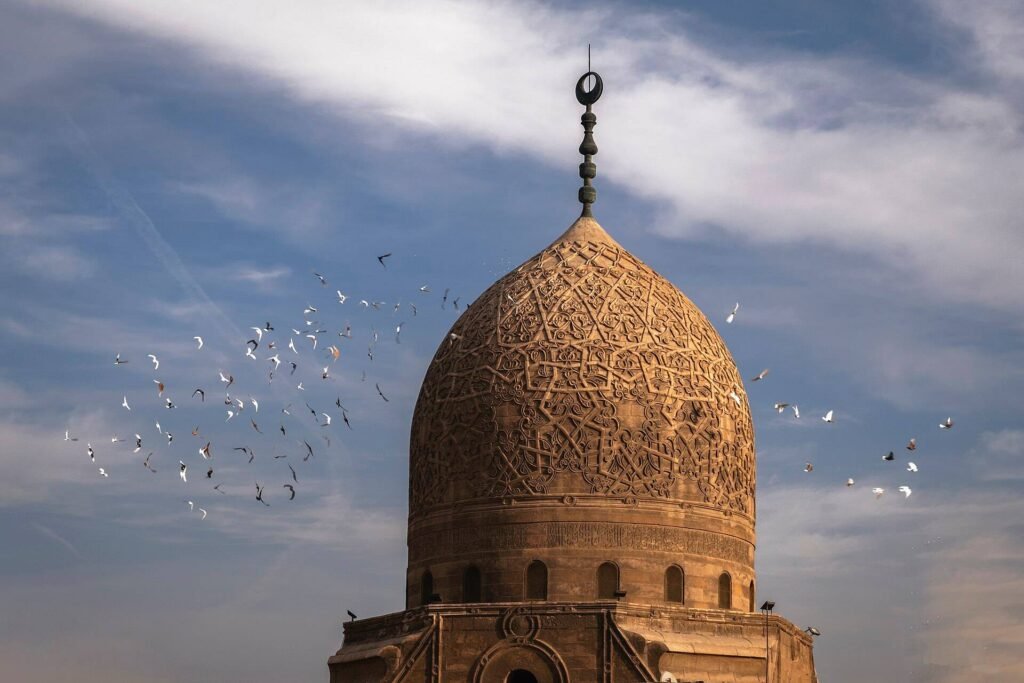
The stone dome that was on the Egyptian pound note, and the high point of Mamluk carving, standing in the Northern Cemetery.
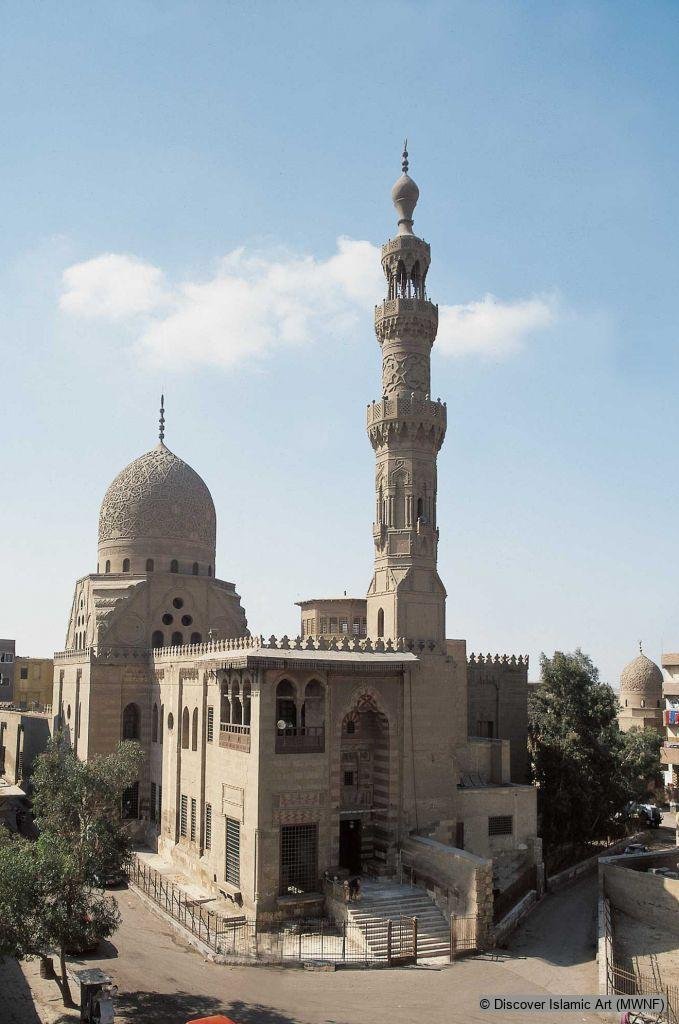
In the heart of the Mamluk Necropolis, the Complex of Sultan Qaitbay stands as one of the most beautiful and best-known Mamluk buildings in Cairo. It is far more than a sultan’s tomb: it is a complete architectural ensemble bringing together a dome, mosque, madrasa and sabil (public fountain), and it shows the precision of Mamluk architecture at the end of the 9th century AH (15th century AD).
Where is the Complex of Sultan Qaitbay?
The complex lies in the Mamluk Necropolis in eastern Cairo, close to Sultan Ahmed Street, the Manshiyat Naser district and the historic areas surrounding the Mamluk tombs.
The area is also known as the Mamluk Cemetery or the Northern Cemetery, and it is one of the most important parts of historic Cairo.
Who was Sultan Qaitbay?
Sultan al-Ashraf Abu al-Nasr Qaitbay was one of the most prominent sultans of the Burji Mamluk dynasty and ruled Egypt from 1468 to 1496 AD. He was famous for his keen interest in architecture and commissioned many buildings in Cairo and elsewhere during his reign.
His funerary complex is considered the most famous of the monuments he left behind.
What does the Qaitbay complex include?
The complex is made up of a series of interconnected architectural elements, the most notable of which are:
- The mosque and madrasa of Sultan Qaitbay
- The mausoleum dome
- The minaret
- The sabil (public fountain)
- The kuttab (Qur’an school)
- The burial area attached to the complex
- The distinctive stone details and decoration of Mamluk architecture
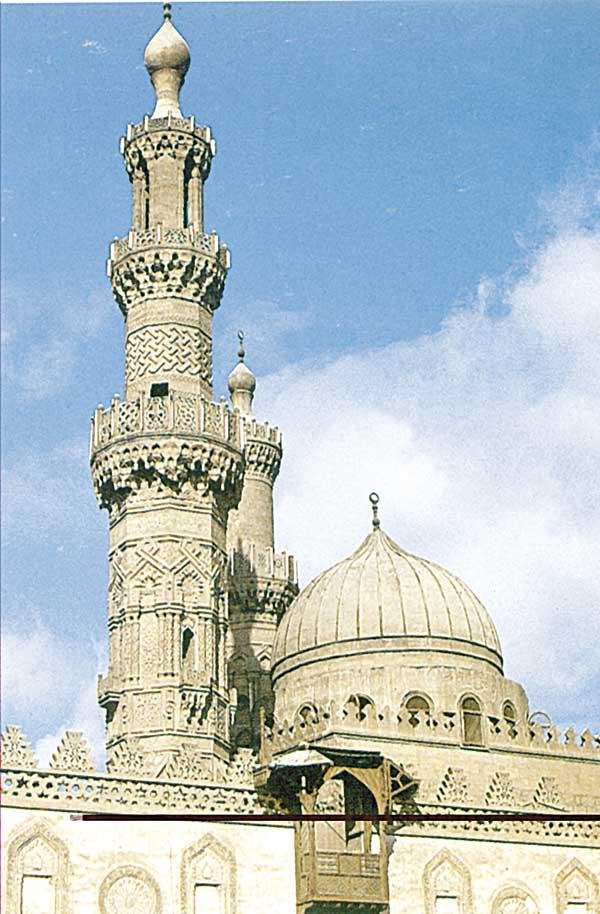
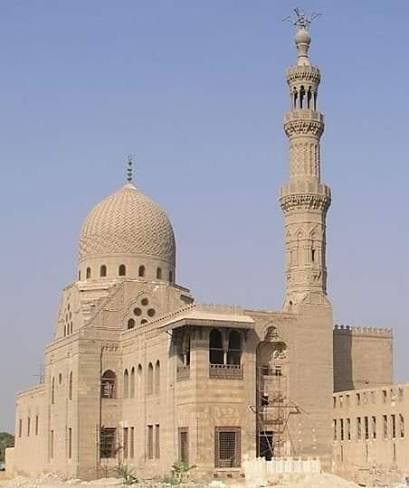
The dome is especially notable for its geometric and floral patterns carved into the stone, while the minaret rises beside it in an unmistakably Mamluk design.
The Dome of Sultan Qaitbay
The Qaitbay dome is the best-known part of the complex, and probably the most photographed. Its exterior is covered in finely carved stonework with interlacing geometric designs that show off the skill of Mamluk craftsmen in working stone.
Inside, the decoration and inscriptions give the space a calm, solemn atmosphere.
Why is the Qaitbay complex important?
The complex matters not only because of Sultan Qaitbay’s place in history but also for its artistic and architectural value. It is a clear example of how Mamluk architecture developed in Cairo, particularly in the design of domes, minarets and carved stone decoration.
Its location within the Mamluk Necropolis also makes a visit a chance to discover the many other funerary monuments scattered across the area.
The Qaitbay complex and the Mamluk Necropolis
If you are exploring the Mamluk Necropolis, the Complex of Sultan Qaitbay is one of the most worthwhile places to stop. You can combine it with several nearby Mamluk monuments to make a historical walk among the domes, mosques and tombs that define this part of Cairo.