Central Cairo
Islamic Cairo
تُعد القاهرة الإسلامية واحدة من أهم المناطق التاريخية في مصر، وتتميز بتراث معماري وثقافي يمتد لقرون طويلة. وتضم المنطقة مجموعة كبيرة من المساجد والمدارس والبوابات والبيوت والأسواق التاريخية التي تعكس تطور القاهرة منذ العصور الإسلامية المختلفة.
وتُعرف القاهرة الإسلامية أيضًا باسم القاهرة التاريخية، وهي من أبرز الوجهات التي يمكن من خلالها اكتشاف تاريخ العاصمة المصرية والتعرف على العمارة الإسلامية في مصر.
القاهرة الإسلامية هي المنطقة التاريخية التي تضم عددًا كبيرًا من المعالم والآثار الإسلامية في قلب القاهرة. وتطورت المنطقة على مدار عدة عصور، بداية من العصر الفاطمي، مرورًا بالعصر الأيوبي والمملوكي، وصولًا إلى العصر العثماني.
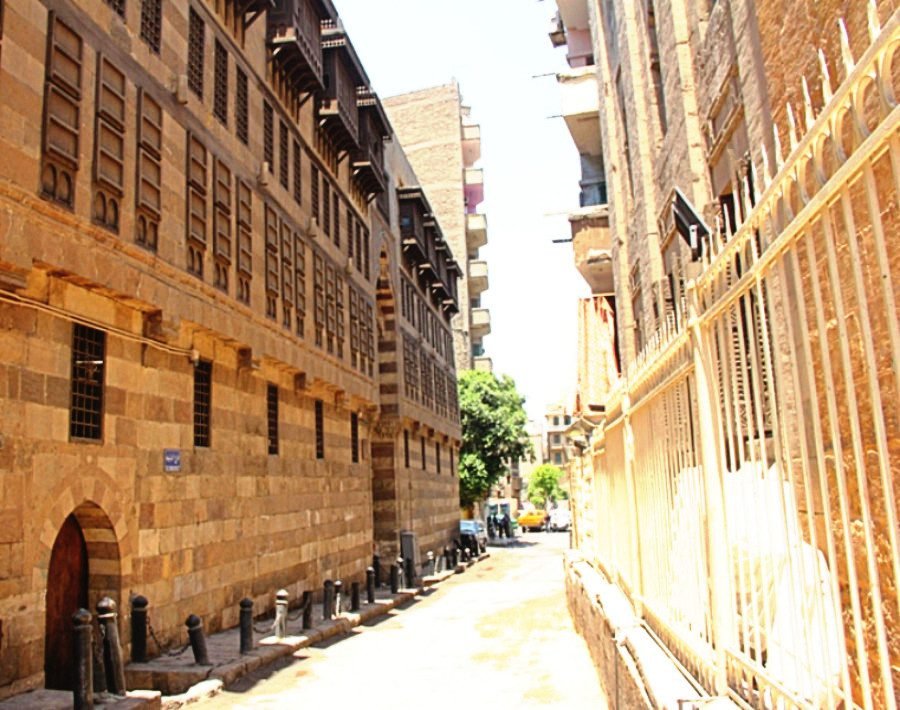
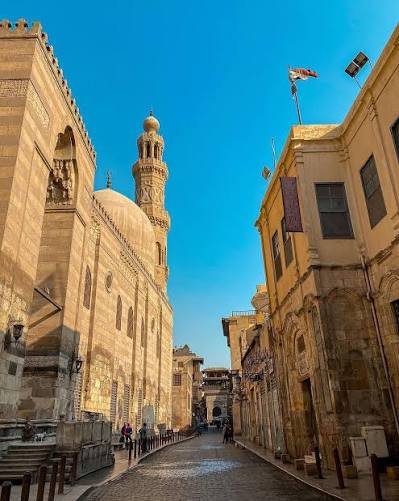
وتتميز شوارعها وأزقتها بالمباني التاريخية المتقاربة، والواجهات المزخرفة، والمآذن والقباب التي تمنح المنطقة طابعًا معماريًا فريدًا.
تاريخ القاهرة الإسلامية
يرتبط تاريخ القاهرة الإسلامية بتأسيس مدينة القاهرة في العصر الفاطمي عام 969م على يد جوهر الصقلي بأمر من الخليفة المعز لدين الله الفاطمي. ومع مرور الوقت، توسعت المدينة وظهرت حولها العديد من المنشآت الدينية والعمرانية.
شهدت القاهرة ازدهارًا كبيرًا خلال العصر المملوكي، عندما أصبحت مركزًا سياسيًا وتجاريًا وثقافيًا مهمًا. وخلال هذه الفترة شُيدت العديد من المساجد والمدارس والخانات والمنشآت التي لا تزال قائمة حتى اليوم.
كما تركت العصور اللاحقة، وخاصة العصر العثماني، بصمتها على المنطقة من خلال عدد من المباني والمنشآت التي أضيفت إلى النسيج التاريخي للقاهرة.
أشهر معالم القاهرة الإسلامية
تضم القاهرة الإسلامية عددًا كبيرًا من المعالم التاريخية، ومن أبرزها:
- شارع المعز لدين الله الفاطمي، أحد أشهر الشوارع التاريخية في القاهرة.
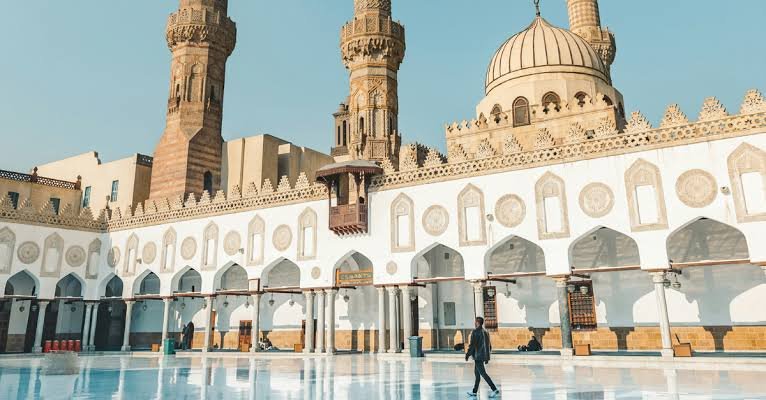
- جامع الأزهر، أحد أهم المراكز الدينية والعلمية في العالم الإسلامي.
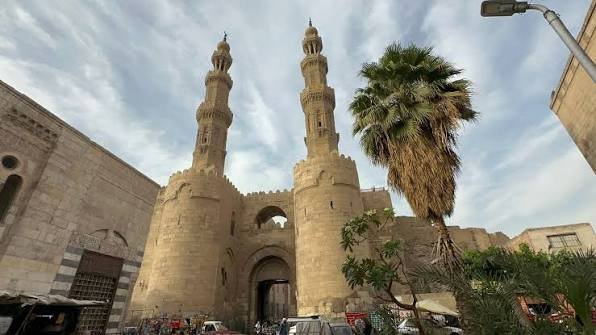
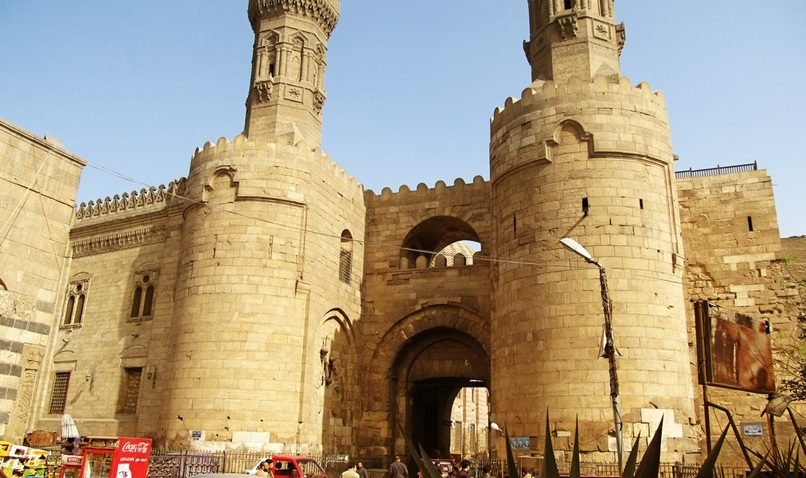
- باب زويلة، إحدى أبرز بوابات القاهرة القديمة.
- باب الفتوح وباب النصر، من أهم البوابات التاريخية للقاهرة الفاطمية.
- مجموعة السلطان قلاوون، التي تضم مجموعة مميزة من العمارة المملوكية.
- مسجد السلطان حسن، أحد أبرز نماذج العمارة الإسلامية في القاهرة.
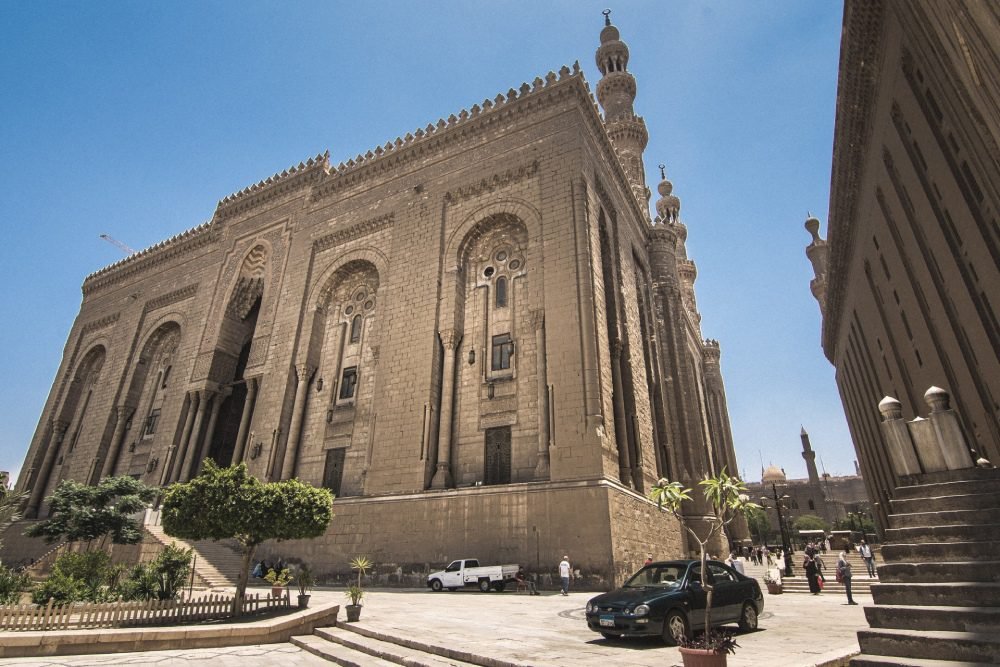
- مسجد الرفاعي، الذي يتميز بتصميمه المعماري الفخم وموقعه بالقرب من قلعة صلاح الدين.
القاهرة الإسلامية والأسواق القديمة
لا تقتصر أهمية القاهرة الإسلامية على الآثار والمساجد، بل تضم أيضًا عددًا من الأسواق والمناطق التجارية التاريخية. ويُعد خان الخليلي من أشهر هذه الأماكن، حيث يمكن للزوار العثور على المشغولات اليدوية والهدايا والتذكارات والمنتجات التقليدية.
كما تمنح الأسواق القديمة الزائر فرصة للتعرف على جانب آخر من الحياة اليومية والتراث الشعبي في القاهرة.
لماذا تستحق القاهرة الإسلامية الزيارة؟
تجمع القاهرة الإسلامية بين التاريخ والعمارة والثقافة والتسوق في منطقة واحدة. ويمكن للزائر مشاهدة مبانٍ تعود إلى عصور مختلفة، والتجول في الشوارع التاريخية، وزيارة المساجد والمتاحف والأسواق، والاستمتاع بالمطاعم والمقاهي الموجودة في المنطقة والمناطق المحيطة بها.
كما تعد المنطقة وجهة مهمة لمحبي التصوير والتاريخ والعمارة، حيث توفر شوارعها ومبانيها العديد من المشاهد التي تعكس تاريخ القاهرة وتنوعها الثقافي.
أفضل وقت لاستكشاف القاهرة الإسلامية
يمكن زيارة القاهرة الإسلامية في أوقات مختلفة من العام، إلا أن الطقس المعتدل يجعل التجول في الشوارع التاريخية أكثر راحة. ويفضل تخصيص عدة ساعات لاستكشاف المنطقة، خاصة إذا كنت ترغب في زيارة أكثر من معلم والتجول في شارع المعز والأسواق المحيطة.
اكتشف القاهرة الإسلامية
إذا كنت تخطط لزيارة القاهرة الإسلامية، يمكنك استكشاف أهم المعالم التاريخية والمطاعم والمقاهي والأماكن القريبة، والتعرف على عناوينها ومعلوماتها قبل بدء جولتك في واحدة من أكثر مناطق القاهرة ثراءً بالتاريخ والتراث.
الموقع على خرائط جوجل: القاهرة الإسلامية
تصفح كل الأماكن في القاهرة الإسلامية: مطاعم وكافيهات وأطباء وخدمات في القاهرة الإسلامية (8 مكان)
Worth your time here
- Market Khan El Khalili A market on the same ground since the fourteenth century: copper, glass, spices and gold down lanes barely wide enough for two.
- Mosque Al-Zahir Baybars Mosque One of Cairo’s largest historic mosques, built by Sultan Al-Zahir Baybars in the thirteenth century and recently restored after years of conservation work.
- Street Al-Muizz Street The spine of Fatimid Cairo, with the densest concentration of medieval Islamic architecture anywhere. Pedestrianised, and lit at night.
- Mosque Al-Azhar Mosque Founded in 970 and still a working seat of learning, its courtyard ringed by minarets from five different centuries.
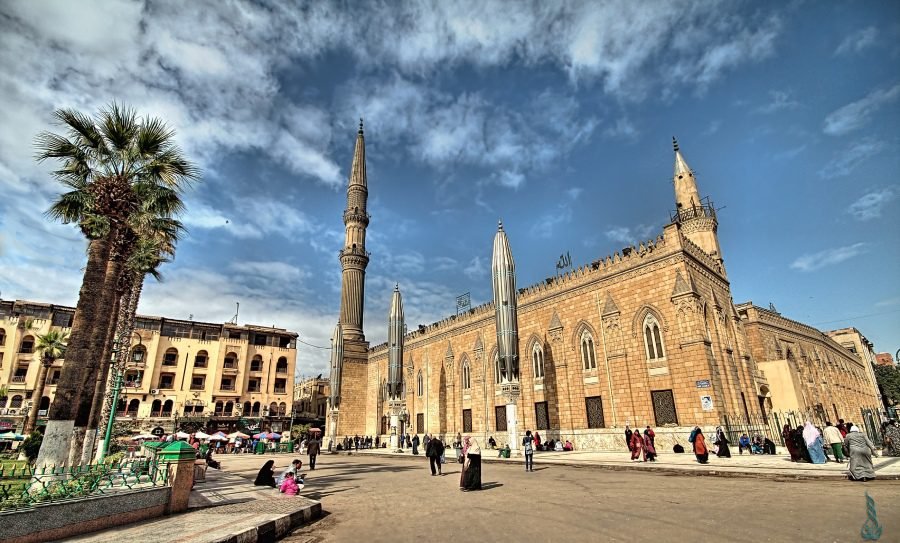
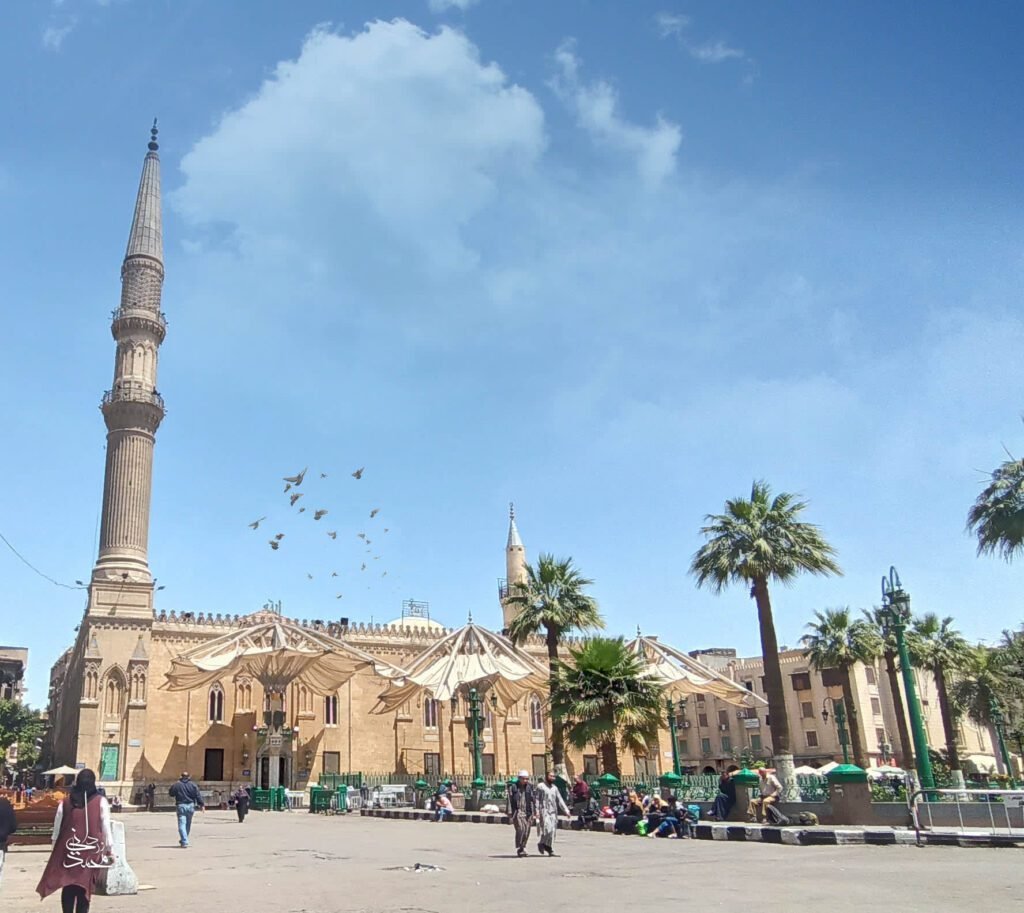
- Mosque Al-Hussein Mosque The square in front of it is the social centre of the old city, busiest in Ramadan and on moulid nights.
- Monument Citadel of Saladin The fortress that ruled Egypt for seven hundred years, on a spur of the Mokattam hills with the whole city below it.
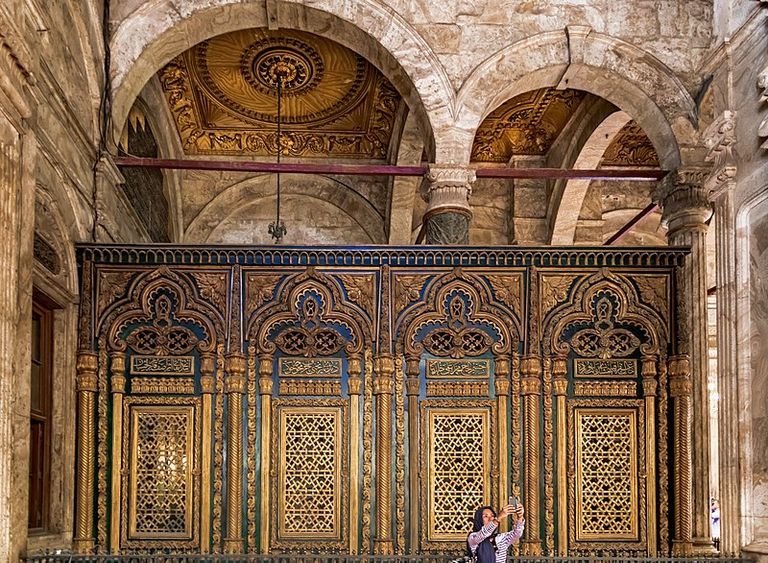
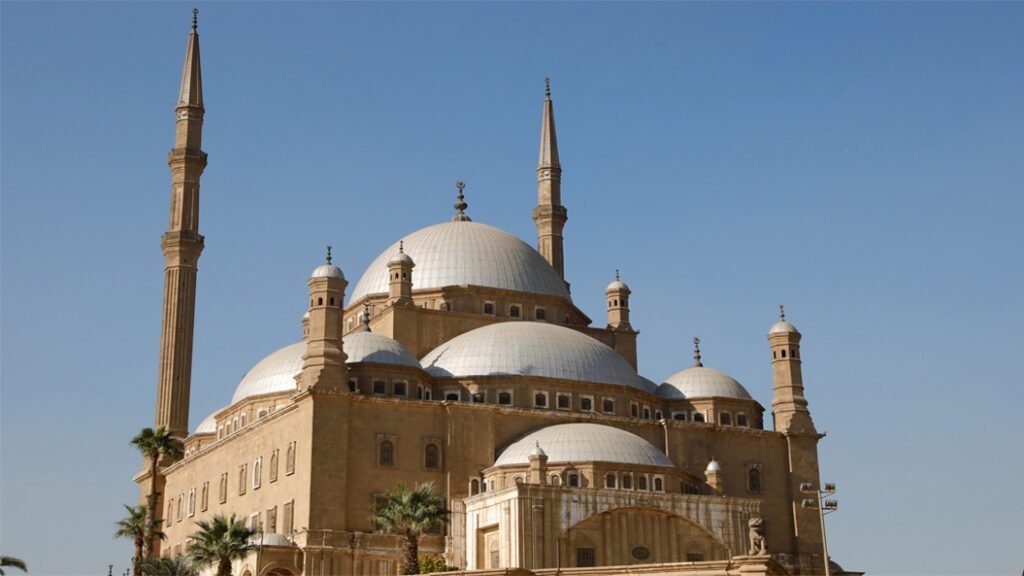
- Mosque Mosque of Muhammad Ali The alabaster mosque crowning the Citadel, Ottoman in plan and unmistakable on the skyline.
- Mosque Sultan Hassan Mosque A fourteenth-century madrasa on a scale that still startles, with a cruciform courtyard and walls that swallow the traffic noise.
- Mosque Al-Rifai Mosque Facing Sultan Hassan across a narrow square, and holding the tombs of Egypt's royal family and of the last Shah of Iran.
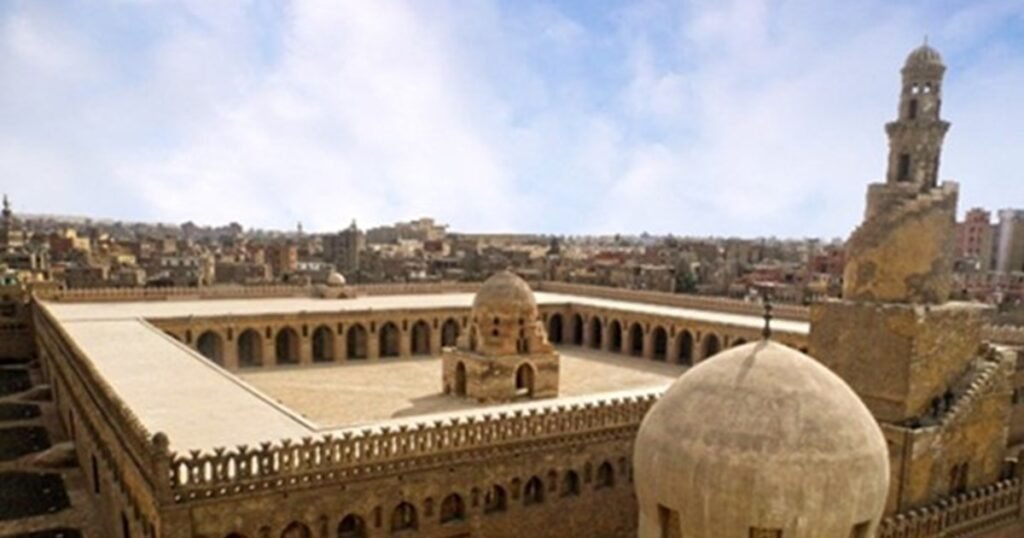
- Mosque Mosque of Ibn Tulun The oldest mosque in Cairo surviving in its original form, from 879, with a spiral minaret and a courtyard the size of a field.
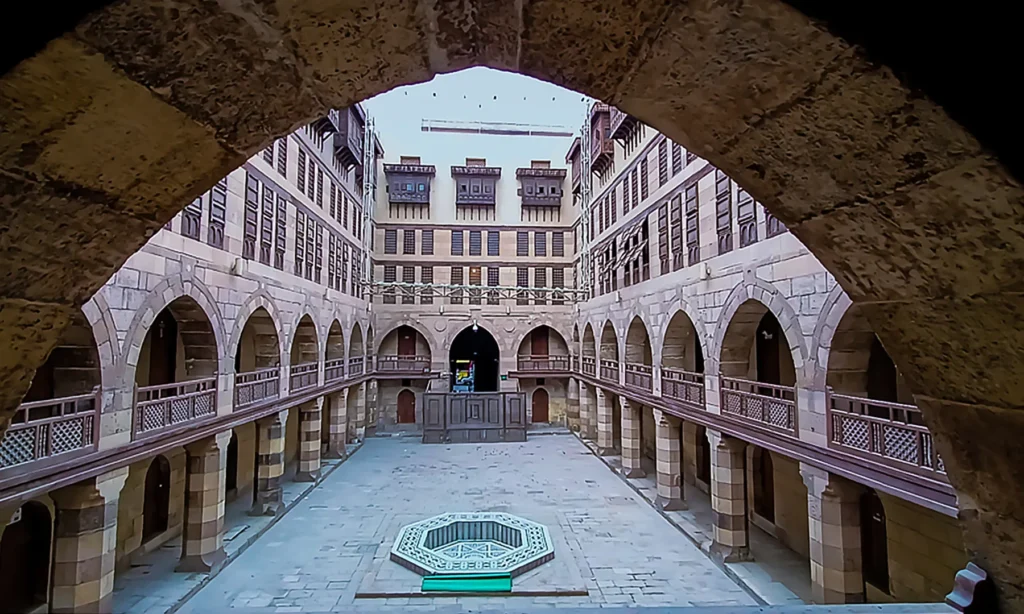
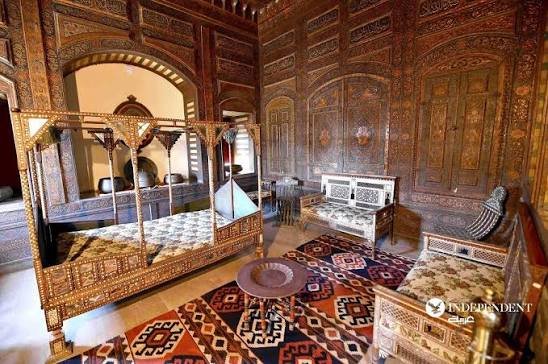
- Museum Gayer-Anderson Museum Two seventeenth-century houses joined together and left furnished, tucked against the wall of Ibn Tulun.
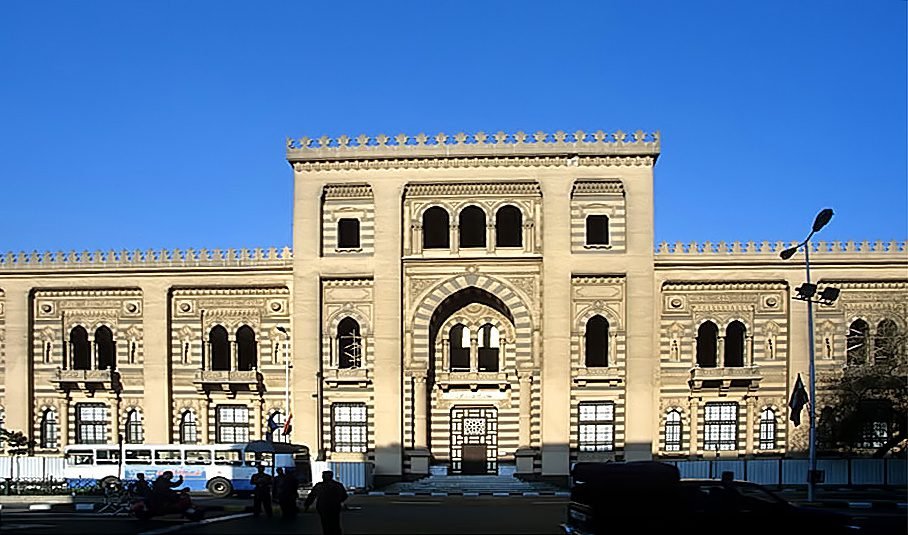
- Museum Museum of Islamic Art One of the finest collections of Islamic art anywhere, at Bab El Khalq, reopened after a long restoration.
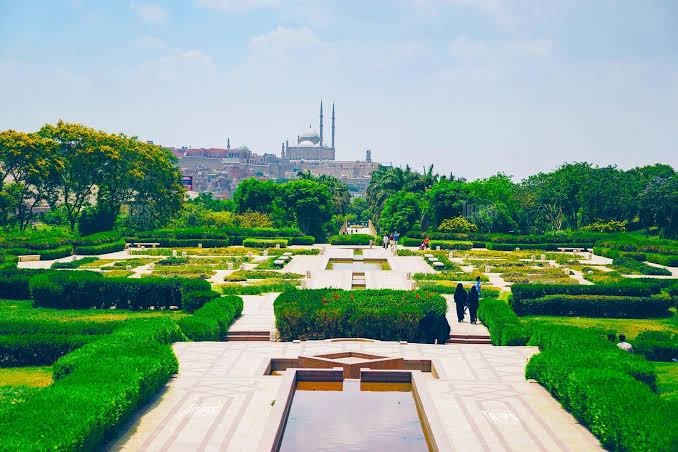
- Park Al-Azhar Park Thirty hectares built on what was five centuries of rubble, looking straight across at the Citadel. The best sunset in the city.
- Monument Bab Zuweila The southern gate of the Fatimid city, from 1092. You can climb the minarets above it.
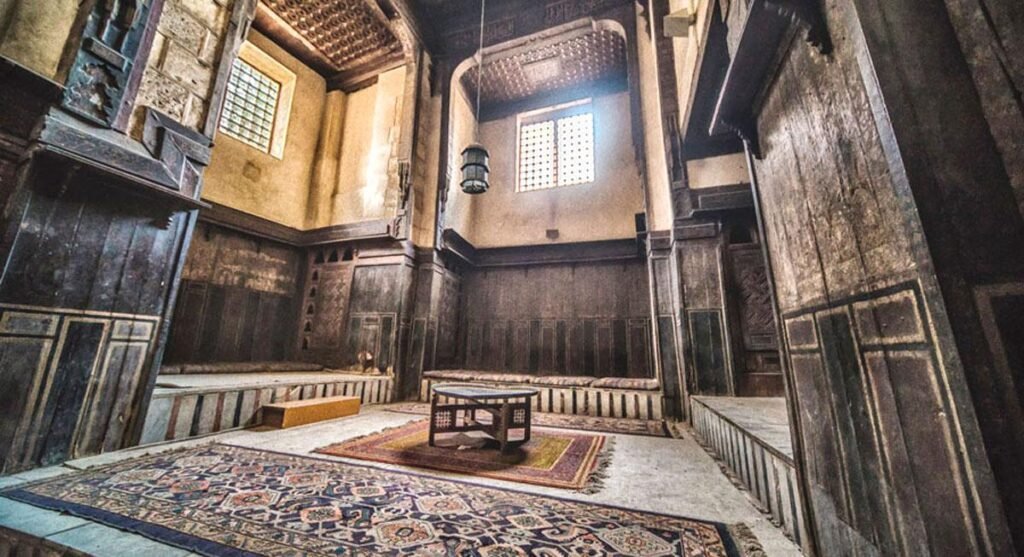
- Museum Beit El-Suhaymi A merchant's house of 1648 off Al-Muizz, with mashrabiya screens, a courtyard garden and cool upper rooms.
- Landmark Wekalet El-Ghouri A restored Mamluk caravanserai now used as an arts centre, best known for its tanoura evenings.
- Mosque Al-Hakim Mosque A vast Fatimid-era mosque built at the turn of the eleventh century, named for the caliph who commissioned it, with two distinctive minarets rising over its northern gate.
- Mosque Al-Aqmar Mosque One of the oldest surviving Fatimid mosque facades in Cairo, built in 1125 and known for its finely carved stone front directly onto the street.
- Monument Qalawun Complex A thirteenth-century Mamluk complex combining a madrasa, a mausoleum and a hospital, built by Sultan Qalawun along Al-Muizz Street.
- Mosque Sultan Barquq Mosque & Madrasa A late-fourteenth-century Mamluk mosque and madrasa on Al-Muizz Street, built for the first Circassian Mamluk sultan.
- Monument Madrasa of Al-Nasir Muhammad A fourteenth-century madrasa on Al-Muizz Street built by Sultan Al-Nasir Muhammad, notable for its Gothic-style stone portal brought from a Crusader church in Acre.
- Monument Bab Al-Futuh One of the three surviving gates of the Fatimid city wall, at the northern end of Al-Muizz Street, built in 1087.
- Monument Bab Al-Nasr A Fatimid-era gate in the northern city wall, standing beside Bab Al-Futuh with its own massive twin towers.
- Market Khayamiya Street Cairo's tentmakers' street, a covered market near Bab Zuweila where artisans still hand-stitch appliqué textiles in the Fatimid-era arcade.
- Monument Al-Saliba Street A historic street linking the Ibn Tulun Mosque area to the southern edge of Islamic Cairo, lined with Mamluk and Ottoman monuments.
- Monument Prince Taz Palace A restored fourteenth-century Mamluk palace on Al-Saliba Street, one of the few surviving examples of a Mamluk amir's residence.
- Monument Bayt Al-Razzaz A large Mamluk and Ottoman-era house near Darb Al-Ahmar, built up over two centuries and known for its grand reception halls.
- Monument Zeinab Khatoun House A fifteenth-century merchant house behind Al-Azhar Mosque, restored and now used as a venue for cultural events and traditional music.
- Monument Bayt Al-Harrawi A seventeenth-century Ottoman-era house near Al-Azhar, connected to the neighbouring Zeinab Khatoun House and also used for cultural events.
- Monument Beshtak Palace A fourteenth-century Mamluk palace on Al-Muizz Street built for one of Sultan Al-Nasir Muhammad's amirs, with a tall reception hall and a working qa'a.
- Monument Sabil-Kuttab Abd Al-Rahman Katkhuda An eighteenth-century Ottoman public water fountain and Quran school at a junction on Al-Muizz Street, one of the finest of its kind in Cairo.
- Monument Sabil-Kuttab Umm Abbas A nineteenth-century sabil-kuttab near the Citadel, built in a late Ottoman style by the mother of Khedive Abbas Hilmi I.
- Mosque Al-Nasir Muhammad Mosque A fourteenth-century mosque inside the Citadel of Saladin, built by Sultan Al-Nasir Muhammad and notable for its green-tiled minaret.
- Monument Al-Gawhara Palace A nineteenth-century palace inside the Citadel built by Muhammad Ali Pasha, now a museum of his household and personal effects.
- Museum National Military Museum Egypt's military history museum, housed in a former palace inside the Citadel, covering campaigns from antiquity to the modern era.
- Mosque Sulayman Pasha Al-Khadim Mosque The earliest Ottoman-style mosque in Cairo, built inside the Citadel in 1528 with a cluster of small domes typical of Istanbul architecture.
- Mosque Al-Mu'ayyad Shaykh Mosque A fifteenth-century mosque beside Bab Zuweila, whose two minarets rise directly from the gate's towers.
- Mosque Blue Mosque / Aqsunqur Mosque A fourteenth-century mosque on Al-Saliba Street, renamed the Blue Mosque for the Ottoman-era Iznik tiles added to part of its interior.
- Mosque Al-Maridani Mosque A fourteenth-century mosque known for its open timber-screened courtyard and a sanctuary lined with columns taken from older buildings.
- Mosque Qijmas Al-Ishaqi Mosque A fifteenth-century mosque near Bab Zuweila, a fine late-Mamluk building with a tall slender minaret.
- Mosque Muhammad Bey Abu Al-Dhahab Mosque An eighteenth-century mosque beside Al-Azhar, built in Ottoman style and named for the governor who commissioned it.
- Mosque Al-Fakahani Mosque A mosque near Al-Ghouriya with roots in the Fatimid period, rebuilt several times and named for the fruit market once nearby.
- Monument Al-Salih Najm Al-Din Ayyub Mausoleum The thirteenth-century mausoleum of the last Ayyubid sultan of Egypt, on Al-Muizz Street beside the site of his madrasa.
- Monument Shajar Al-Durr Mausoleum The mausoleum of Shajar Al-Durr, the only woman to rule Egypt as sultan, built in the thirteenth century near the Imam Al-Shafi'i area.
- Monument Fatima Khatun Mausoleum A thirteenth-century mausoleum near the Citadel built for the wife of Sultan Qalawun, notable for its early Mamluk stucco decoration.
- Monument Al-Ashraf Khalil Mausoleum The mausoleum of Sultan Al-Ashraf Khalil, the Mamluk ruler who finally drove the Crusaders from the Levant, near the Qalawun complex.
- Market Wekalet Bazaraa A restored Ottoman-era trade caravanserai near Al-Azhar, once used by merchants to store and sell goods on its ground floor.
- Market Wekalet Qaytbay A fifteenth-century caravanserai built by Sultan Qaytbay, combining ground-floor trade space with upper floors once rented to travelling merchants.
- Market Nafisa Al-Bayda Wekala An eighteenth-century caravanserai built by Nafisa Al-Bayda, a prominent and wealthy woman of Ottoman-era Cairo.
- Market Goldsmiths' Market A narrow lane inside Khan El Khalili lined almost entirely with gold and silver jewellery workshops and shops.
- Market Coppersmiths' Market A historic street named for the copper and brass workers who have hammered their wares here for centuries, near the Qalawun complex.
- Market Spice Market A fragrant market street near Khan El Khalili selling loose spices, herbs and traditional remedies by weight.
- Market Al-Muski Market A long, crowded shopping street connecting Khan El Khalili to Al-Azhar Street, known for fabrics, household goods and bargain prices.
- Monument Souq Al-Silah Street A street near the Citadel once home to Cairo's weapons makers and traders, now lined with historic houses and workshops.
- Monument Bab Al-Wazir Street A quiet historic street in Darb Al-Ahmar lined with Mamluk and Ottoman houses, mosques and sabils.
- Monument Taht Al-Rab' Street A narrow historic lane in the Darb Al-Ahmar district, named for the rab' apartment buildings that once stood above its shops.
- Monument Salah Al-Din Square The open square at the foot of the Citadel, facing both the Mosque of Muhammad Ali and the Sultan Hassan and Al-Rifai mosques.
- Monument Bab Al-Khalq Square A square marking the historic edge of Islamic Cairo, named for a former city gate and home to the National Library building.
- Museum National Library at Bab Al-Khalq The original home of Egypt's National Library and Archives, a grand early-twentieth-century building at Bab Al-Khalq Square.
- Monument Khanqah of Faraj Ibn Barquq A vast early-fifteenth-century funerary complex in the Northern Cemetery, with twin minarets and twin domes marking the tombs of Sultan Barquq's family.
- Monument Khanqah of Baybars Al-Jashankir The earliest surviving khanqah in Cairo, built in 1310 for Sufi residents, with one of the city's finest early Mamluk minarets.
- Mosque Amir Sarghitmish Mosque & Madrasa A fourteenth-century mosque and madrasa near Al-Azhar, topped by Cairo's tallest Mamluk-era dome on its original drum.
- Monument Madrasa of Umm Al-Sultan Sha'ban A fourteenth-century madrasa on Al-Saliba Street built by the mother of Sultan Sha'ban, with an unusually asymmetric facade.
- Mosque Aslam Al-Silahdar Mosque A fourteenth-century mosque near the Citadel, one of the few Mamluk mosques to retain its original minaret virtually intact.
- Mosque Amir Shaykhu Mosque A fourteenth-century mosque on Al-Saliba Street built by one of the most powerful Mamluk amirs of his time, facing his own khanqah across the street.
- Monument Shaykhu Khanqah The Sufi lodge built opposite Amir Shaykhu's own mosque on Al-Saliba Street, completing one of Cairo's grandest fourteenth-century religious ensembles.
- Mosque Almas Al-Hajib Mosque A small but finely decorated fourteenth-century mosque near the Citadel, noted for its carved stone minaret.
- Mosque Khayrbak Mosque A mosque and funerary complex near Bab Zuweila combining Mamluk and early Ottoman elements, built for the governor who later helped the Ottomans take Cairo.
- Monument Palace of Alin Aq A rare surviving fragment of a fourteenth-century Mamluk amir's palace near Bab Al-Wazir, now largely absorbed into later buildings.
- Monument Citadel Clock Tower A nineteenth-century clock tower in the Citadel, a gift from King Louis Philippe of France that arrived in exchange for an obelisk now standing in Paris.
- Area Darb Al-Ahmar One of the most densely historic quarters of Islamic Cairo, strung along the old wall road between Bab Zuweila and the Citadel.
- Church Virgin Mary Church, Haret Zuweila A Coptic church in the Haret Zuweila quarter near Bab Zuweila, serving one of the historic Christian communities within Islamic Cairo.
- Monument Mamluk Necropolis The Northern Cemetery, popularly called the City of the Dead, where Mamluk sultans built some of Cairo's grandest funerary complexes.
Listed here
-
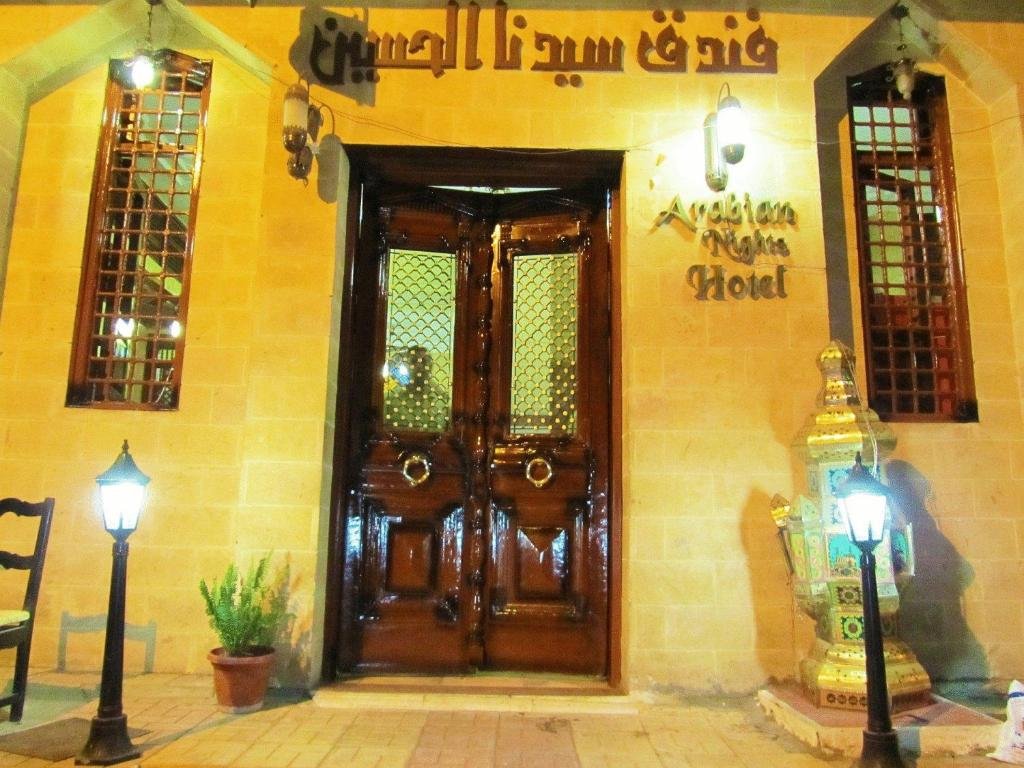
 Arabian Nights Hotel – فندق الليالي العربية
Hotels in Cairo
Arabian Nights Hotel – فندق الليالي العربية
Hotels in Cairo
-
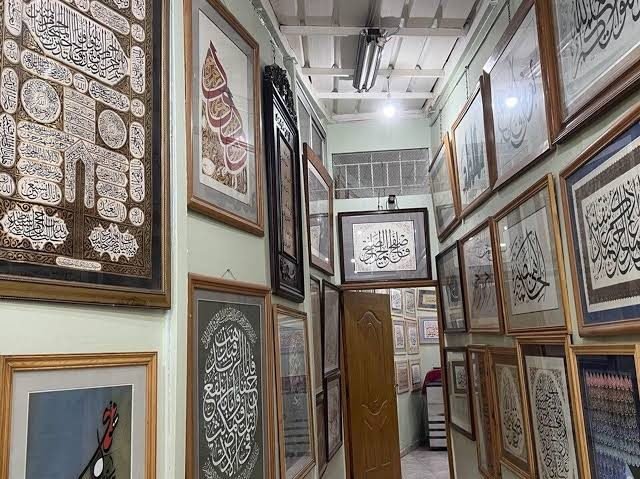
متحف خضر البورسعيدي للخط العربي
المتاحف في القاهرة
-
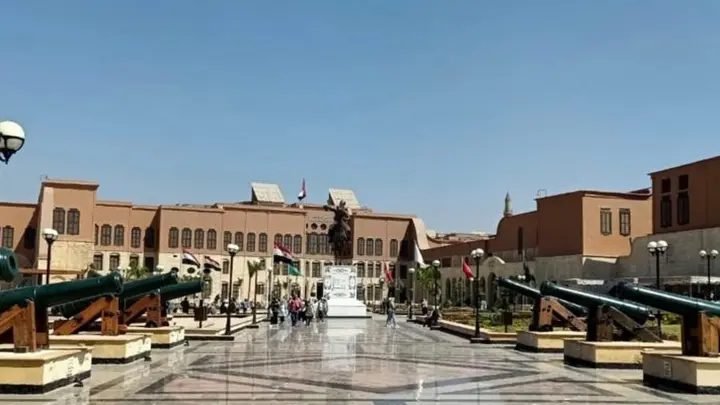
المتحف الحربي القومي
المتاحف في القاهرة
-
متحف نجيب محفوظ
المتاحف في القاهرة
-
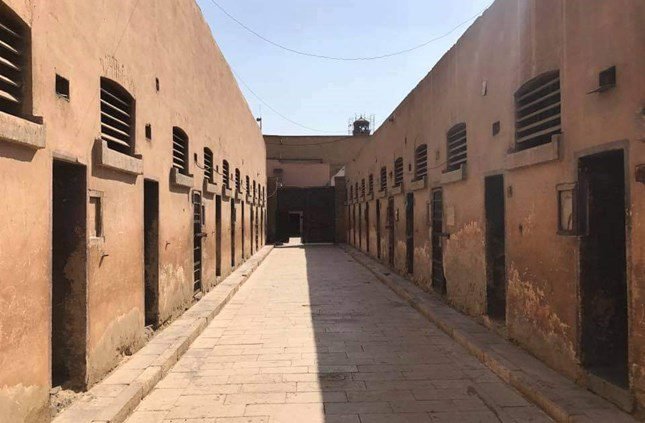
متحف السجن بقلعة صلاح الدين
المتاحف في القاهرة
-
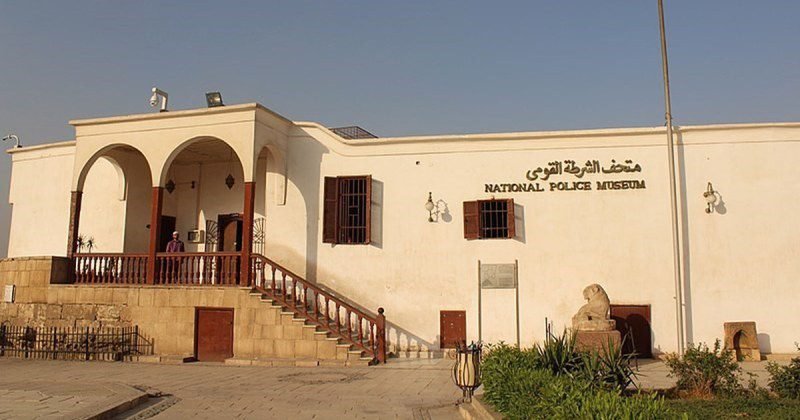
متحف الشرطة القومي
المتاحف في القاهرة
-
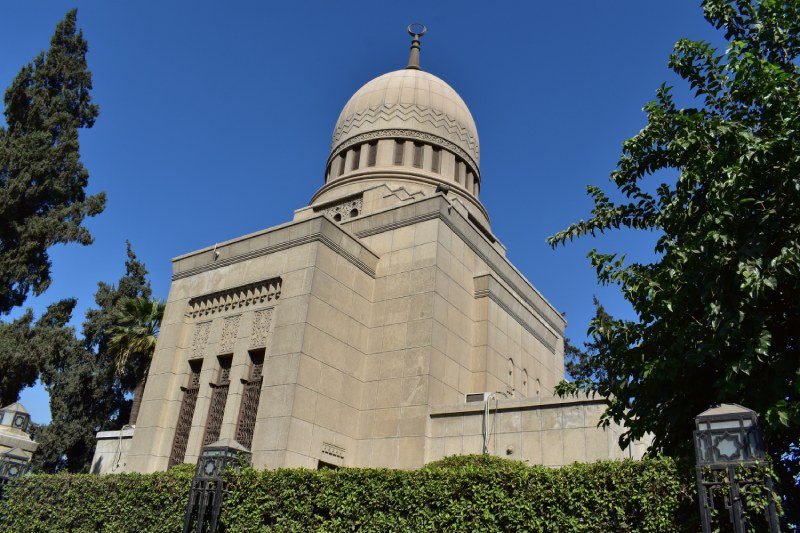
متحف مصطفى كامل
المتاحف في القاهرة
-
مطعم وكافيه كوهينور
Restaurants in Cairo